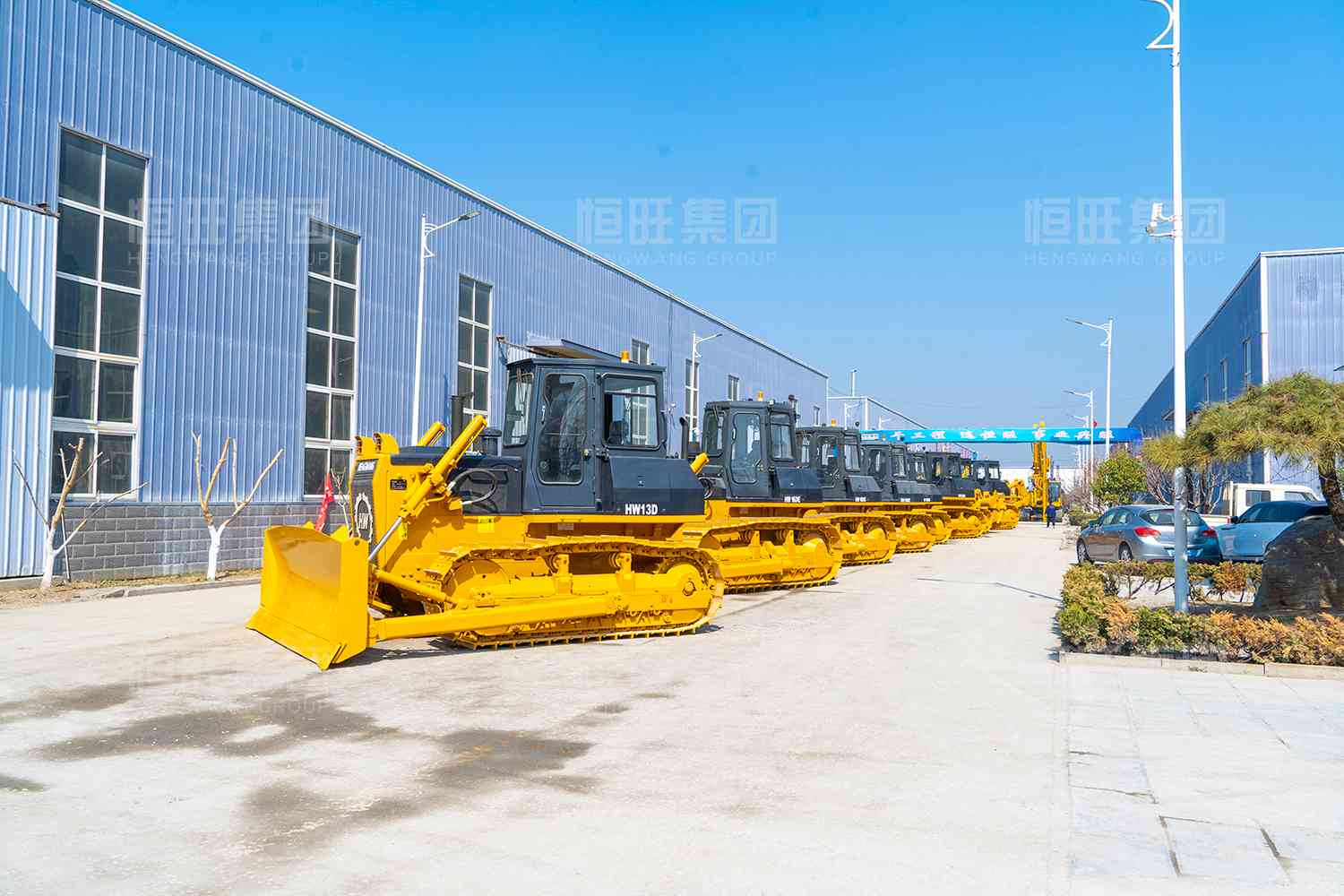
I. Basic Ground Treatment
Site Leveling
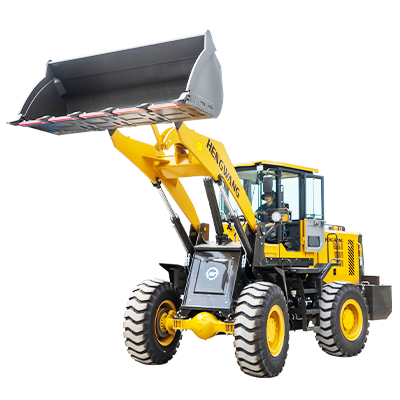
Using the front bulldozer blade to quickly level uneven ground, ensuring the construction area is flat within a few centimeters. This lays a solid foundation for subsequent work.Surface Layer Clearance
Removing soft humus soil, weeds, or old pavement to expose firm underlying soil, adapting to diverse geological conditions (e.g., wet soil, frozen ground, or rock layers).
II. Core Earthwork Operations
Earth Excavation and Filling
Subgrade Compaction
Repeatedly pushing to densify filled soil layers, enhancing bearing capacity and reducing future pavement settlement.
III. Precision Construction and Technological Upgrades
Intelligent Control
Modern bulldozers with GPS positioning and automatic control systems precisely adjust height and slope according to design plans. This eliminates manual stakeout, reducing errors and improving efficiency.Multifunctional Attachments
Replaceable tools (e.g., rippers, bull rakes) tackle special scenarios:
IV. Environmental Protection and Collaborative Construction
Green Construction
Team Collaboration
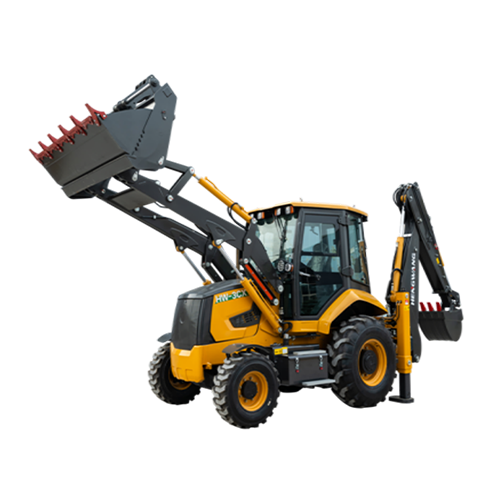
Working alongside excavators, loaders, and rollers:
V. Adapting to Complex Environments
Conclusion: Bulldozers as Efficiency Drivers in Road Construction
Beyond leveling and earthmoving, bulldozers adapt to complex projects through technological upgrades (intelligent control, eco-design). From rural paths to highways, their versatility and efficiency make them key to "saving time, labor, and worry" in construction—quietly powering the expansion of urban transportation networks.